
Maintaining a home can feel like a daunting task, but with some routine care and attention, you can keep your house in great shape and enjoy a comfortable, inviting living environment. Here are some of the best ways to take care of your house:
1. Regular Cleaning
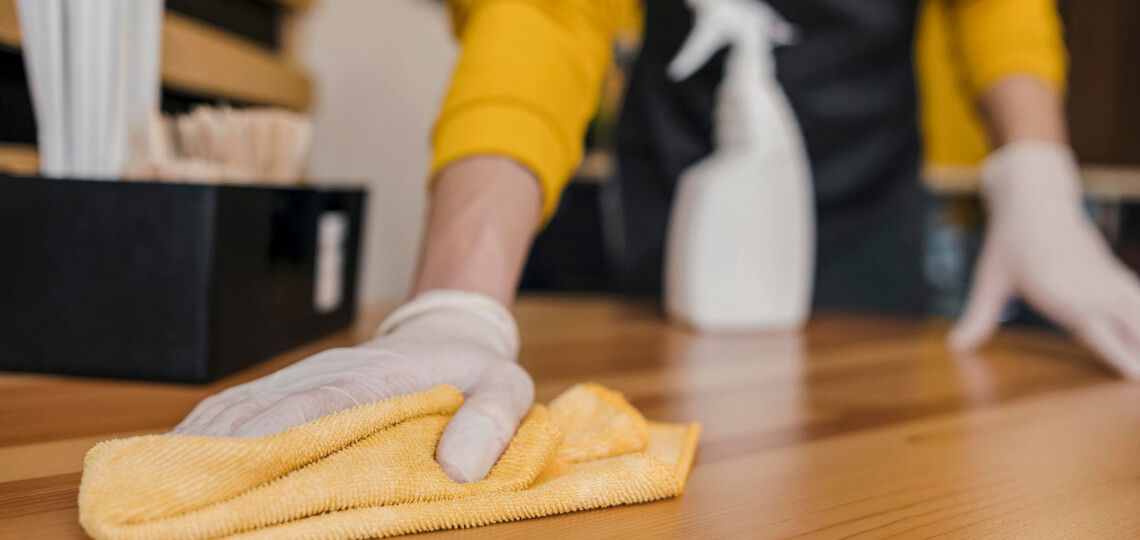
Regular cleaning is the foundation of a well-maintained home. Develop a cleaning schedule that includes daily, weekly, and monthly tasks. Daily chores might include making beds, washing dishes, and tidying up common areas. Weekly tasks can involve vacuuming, mopping, and dusting surfaces. Monthly duties could include deep-cleaning appliances, windows, and bathrooms.
2. Routine Maintenance Checks
Regular maintenance checks can help you catch potential problems before they become major issues. Inspect your home’s plumbing, electrical systems, and HVAC units periodically. Check for leaks, frayed wires, and other signs of wear and tear. Keeping up with these checks can save you money and hassle in the long run.
3. Seasonal Upkeep
Each season brings its own set of maintenance tasks. In the spring, clean gutters and downspouts to prevent water damage. During the summer, ensure your air conditioning is working efficiently. Fall is a good time to inspect and clean your heating system, while winter calls for checking insulation and weatherproofing to keep your home warm.
4. Lawn And Garden Care
A well-kept lawn and garden enhance your home’s curb appeal. Mow the lawn regularly, trim hedges, and remove weeds. Water plants according to their needs, and apply mulch to retain moisture and prevent weed growth. Regularly check for pests and take appropriate measures to control them.
5. Pest Control
Keeping pests at bay is crucial for a healthy home. Seal cracks and openings around your house to prevent insects and rodents from entering. Use pest control treatments as needed, and keep food stored properly to avoid attracting unwanted guests. Regularly inspect for signs of infestation and address any issues promptly.
6. Safety Checks
Ensure your home is safe for all its occupants. Test smoke detectors and carbon monoxide alarms monthly and replace batteries as needed. Keep fire extinguishers in accessible locations and check their expiration dates. Make sure stairways and walkways are well-lit and free of obstructions to prevent accidents.
7. Energy Efficiency
Improve your home’s energy efficiency to save on utility bills and reduce your environmental impact. Replace old windows with energy-efficient models, use LED light bulbs, and invest in smart thermostats. Regularly inspect and maintain insulation to keep your home’s temperature regulated.
8. Home Improvement Projects
Occasionally, take on home improvement projects to enhance the value and comfort of your home. These could include painting walls, updating fixtures, or remodeling outdated spaces. Prioritise projects that will have the most significant impact on your home’s functionality and aesthetics.
9. Professional Inspections
Schedule professional inspections for areas that require expert attention. Have a certified technician inspect your HVAC system annually. Consider hiring a professional to check your roof, chimney, and foundation every few years. These inspections can help identify and resolve issues that might not be visible to the untrained eye.
10. Organise And Declutter
A clutter-free home is easier to maintain and more enjoyable to live in. Regularly declutter spaces by donating or discarding items you no longer need. Use organisational tools such as shelves, bins, and labels to keep everything in its place. A well-organised home reduces stress and increases efficiency.
By following these tips, you can keep your home in excellent condition and create a pleasant living environment for you and your family. Regular care and attention to your home’s needs will ensure it remains a safe, comfortable, and welcoming space for years to come.